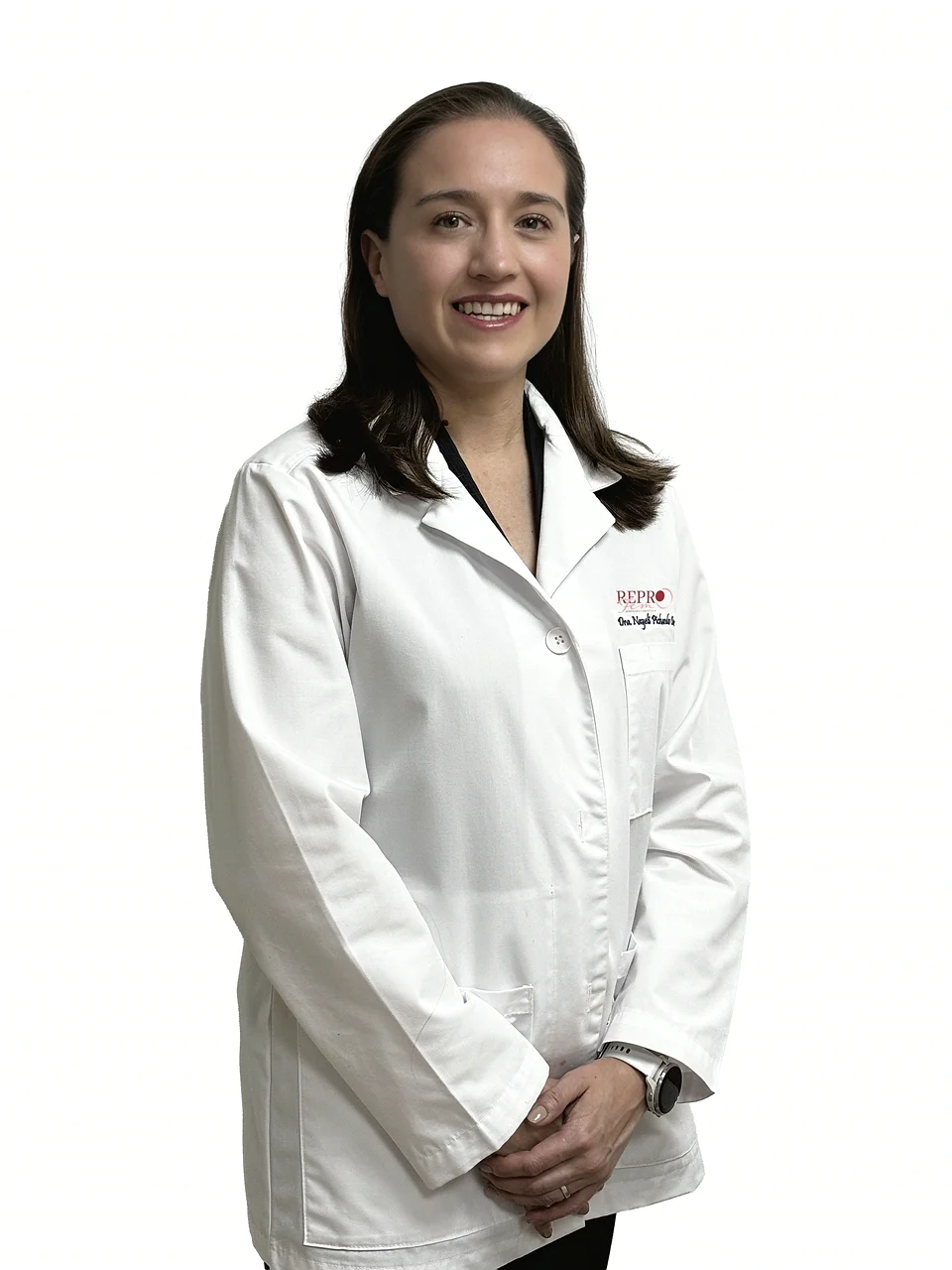
HUMAN REPRODUCTION BIOLOGY
Dra. Nayeli Pichardo Domínguez
Gynecology and obstetrics · Human reproduction biology
 LET’S CONNECT
REPROFEM MEXICO · FERTILITY CENTER
Fertility and assisted reproduction in Anzures. A clinical team and an embryology laboratory to help you explore your options, understand each stage and make informed decisions.

A JOURNEY THAT STARTS WITH LISTENING
You do not need to arrive with all the answers. During a consultation, we review your history and studies to discuss your care options.
Decisions are made with you. Understanding the process, its possibilities and the investment is part of taking your next step.
Meet the people beside you ↗GET TO KNOW OUR INDICATORS
Three rates, three stages of the journey. Learn what each indicator represents and talk to our team about your own care.
A first sign, followed by clinical care.

Ultrasound follow-up to confirm cardiac activity.

Care that continues towards birth.
Rates provided by REPROFEM. Each rate describes a different stage; individual outcomes vary.
CARE OPTIONS
A medical assessment determines which approach is appropriate for your case. Open each option to understand what it involves.
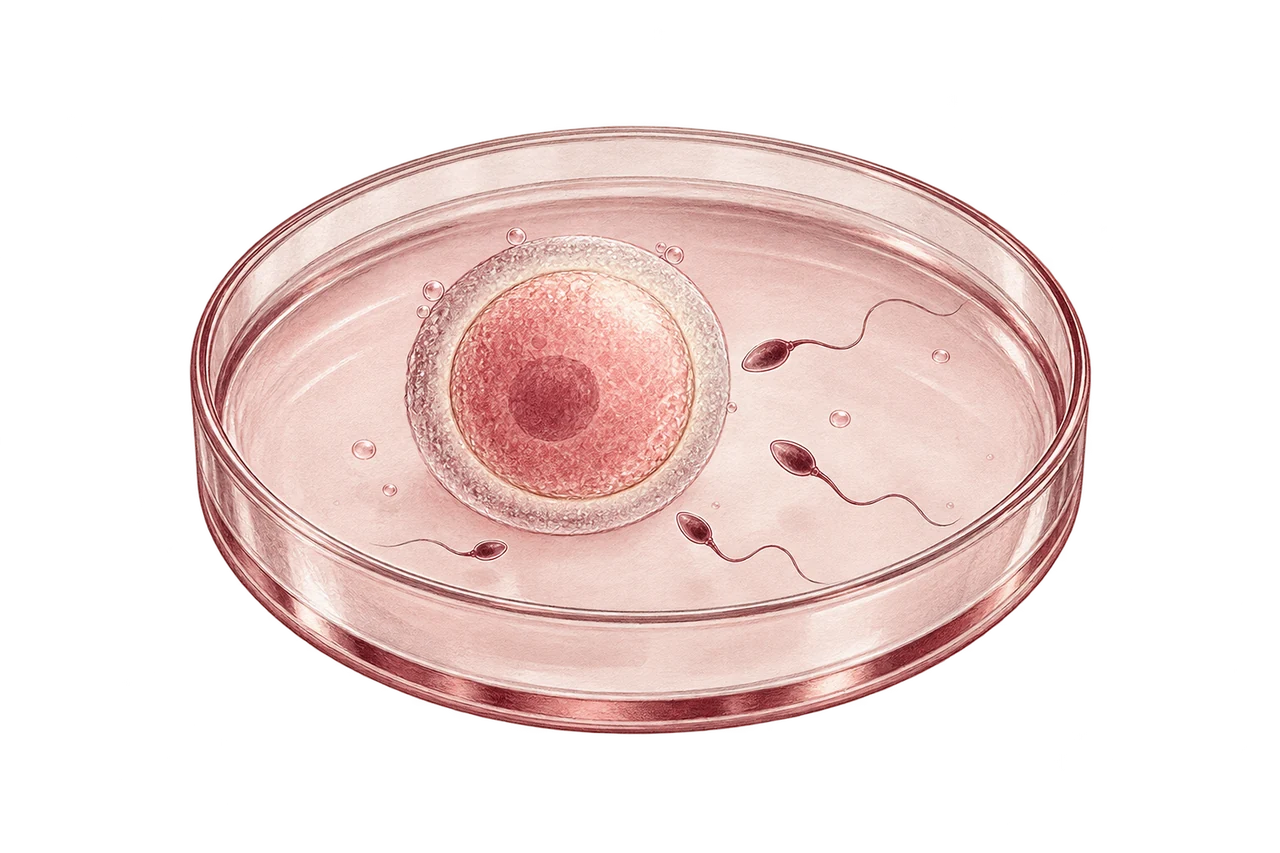
Eggs and sperm meet outside the body. IVF connects clinical preparation with fertilization and embryo care in a laboratory.
Medication supports the development of follicles. Ultrasound scans and, when indicated, blood tests guide clinical decisions.
The doctor retrieves eggs from the follicles in a procedure with sedation or anaesthesia. The team explains preparation and recovery.
Eggs are placed with prepared sperm. Embryologists assess fertilization and follow embryo development.
An embryo can be placed in the uterus through a fine catheter. Freezing and a later transfer may be appropriate.
The clinic gives instructions for the pregnancy test and discusses the next steps.
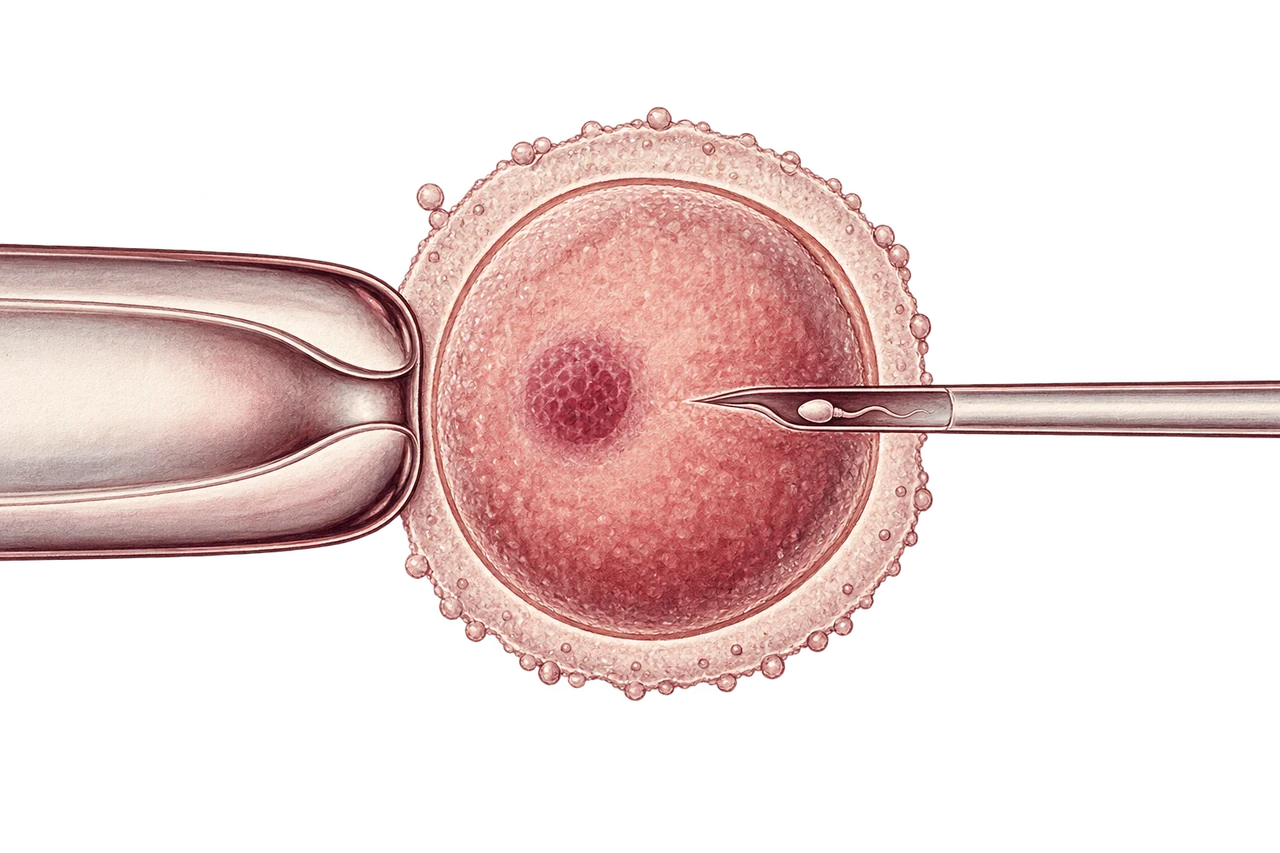
Discuss your options ↗A fertilization technique within IVF. It can be indicated for certain sperm-related problems or a history of poor fertilization.
After egg retrieval, the embryologist evaluates maturity and prepares the sperm.
One sperm is introduced into a mature egg using a fine micropipette under a microscope.
The laboratory evaluates fertilization. Embryo culture and later transfer or freezing follow the IVF plan.
 Discuss your options ↗
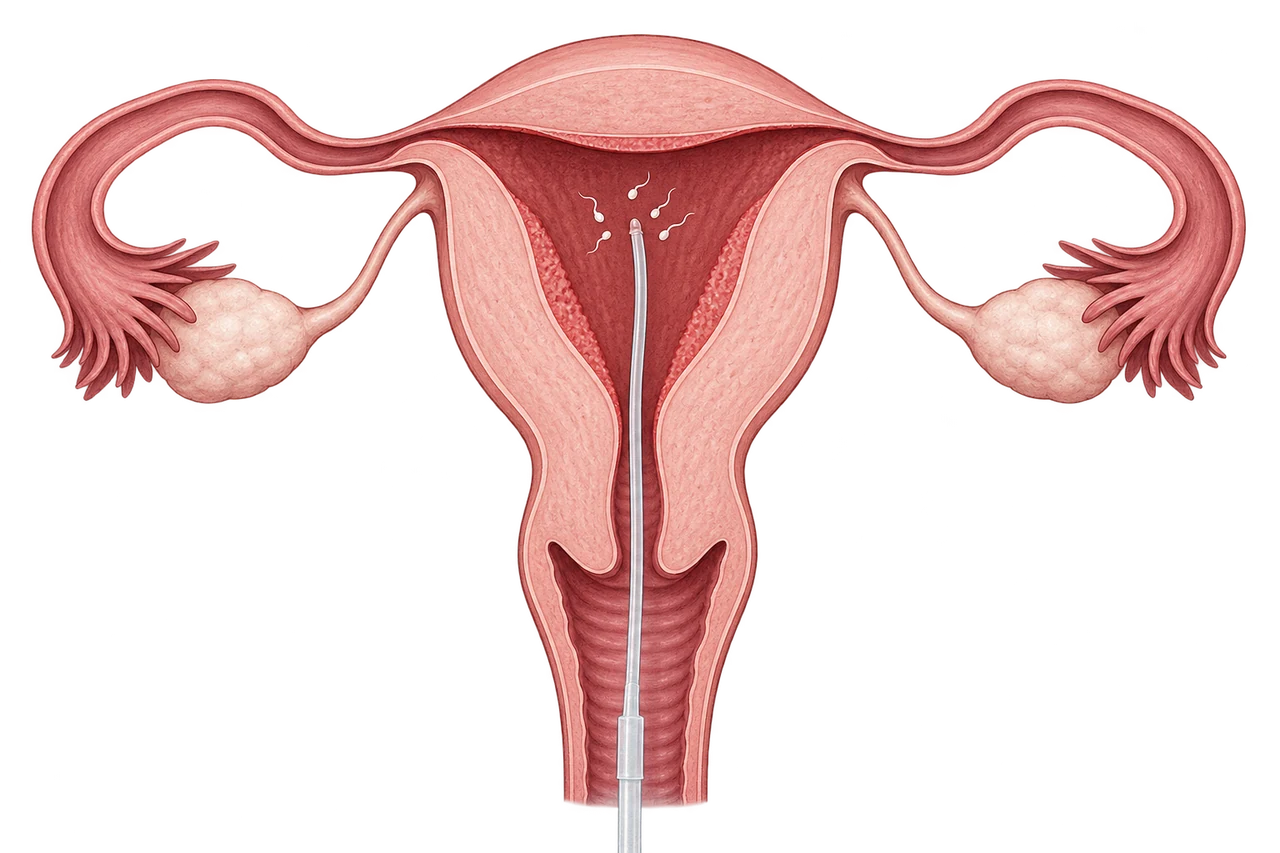
Prepared sperm is placed inside the uterus around ovulation. Fertilization occurs inside the body.
The doctor assesses suitability and determines how ovulation will be monitored; medication may be used.
The laboratory processes the semen sample to select motile sperm.
A fine catheter carries the prepared sample through the cervix into the uterus.
The clinic specifies when to test for pregnancy and how to review the result.
 Discuss your options ↗
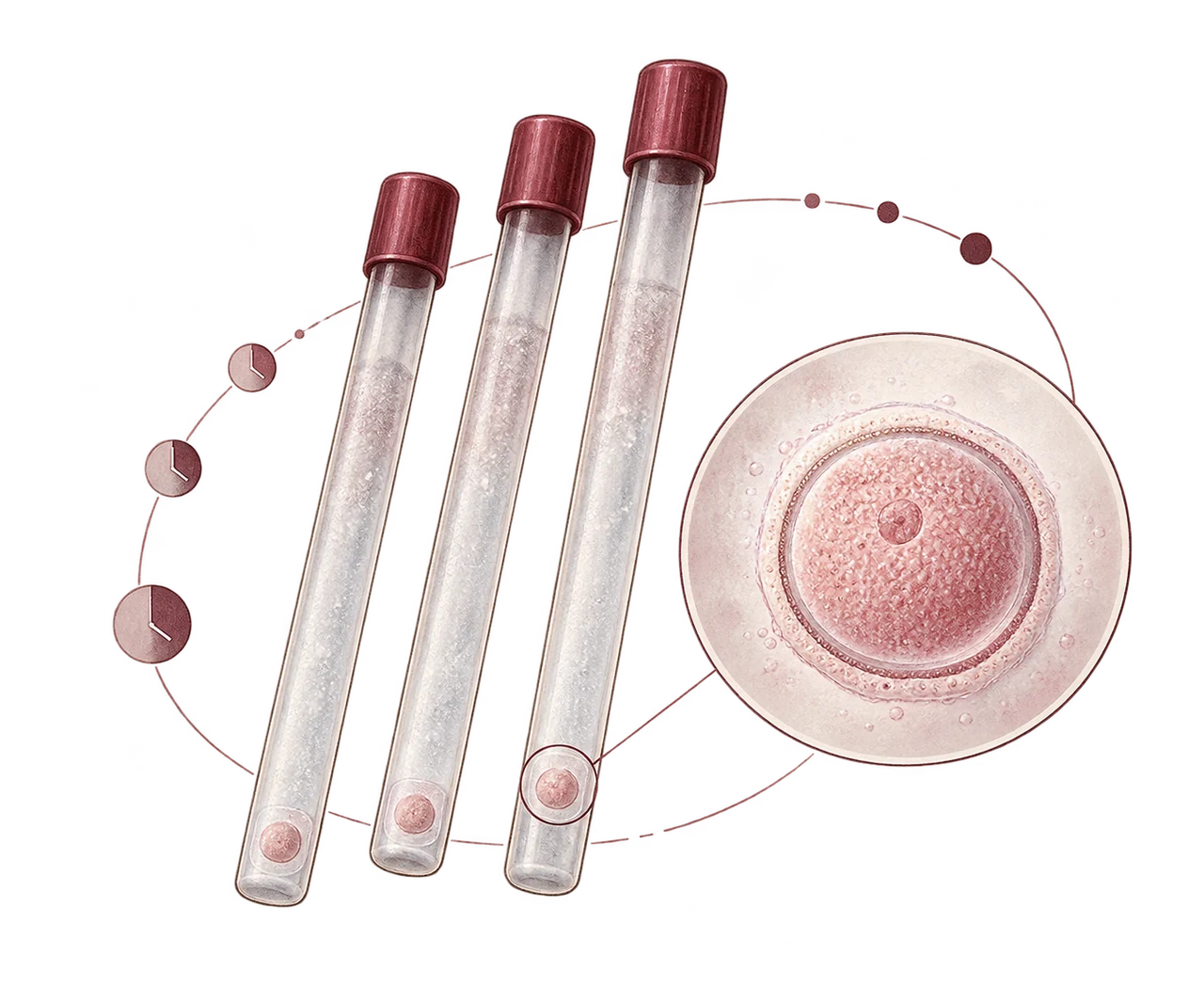
Unfertilized eggs are preserved through freezing.
Your doctor proposes a stimulation and follow-up plan based on your goals and assessment.
Eggs are collected in a procedure room under sedation or anaesthesia. Suitable eggs receive cryoprotectant and are frozen.
Storage, thawing and fertilization are later stages. The next step is assessed with your medical team.
 Discuss your options ↗
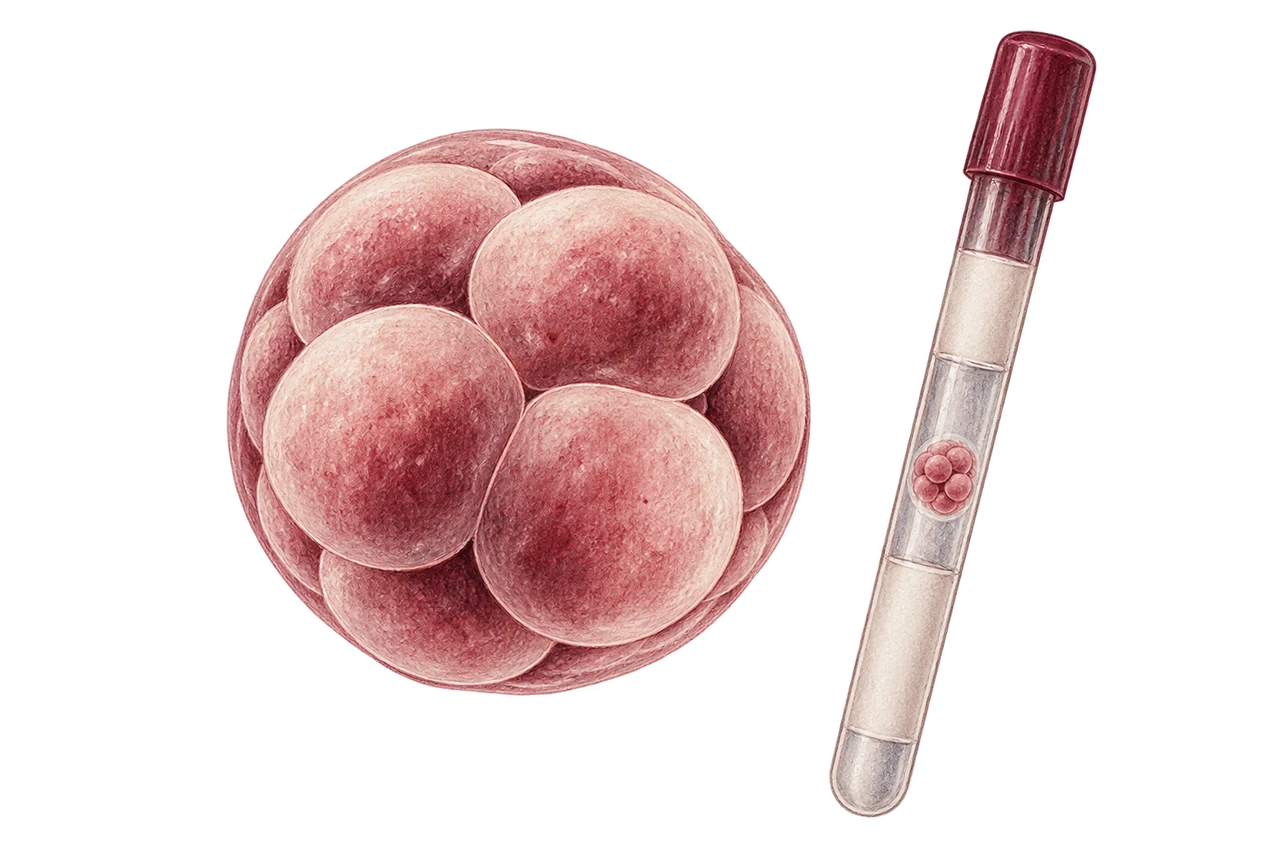
Embryos are frozen using a technique called vitrification, an ultra-rapid cooling process that temporarily pauses cellular development and helps preserve their internal structure.
The embryo remains in a state of suspended development.
After vitrification, the carrier is stored inside special liquid nitrogen tanks, where it can remain preserved for years under controlled conditions.
When appropriate, the team schedules thawing and transfer.
 Discuss your options ↗
Egg donation is more than a medical option: it is an opportunity to build a family with a personalized care plan.
We seek compatibility through careful donor selection, guided by your assessment and family plans.
Our donors have completed laboratory and genetic testing as part of their evaluation. The team explains selection criteria and each stage of the process.
We coordinate the technical and logistical details of the cycle, with communication and support at every stage.
 Discuss your options ↗
YOUR JOURNEY, STEP BY STEP
This is a general map of our care. The order, timing and procedures are adapted to each person’s plan.
Start with a consultation ↗An initial assessment to discuss your goals, history and questions.
Your first decision: understand your options.The team reviews clinical information and discusses the alternatives with you.
Your case, considered from several professional perspectives.Ask about the steps, risks, timing and budget for the proposed option.
Space for your questions before you move forward.Follow-up and procedures according to the agreed treatment.
Every stage has a purpose within your plan.The team reviews progress with you to discuss what comes next.
Your journey continues with information and support.FERTILITY CENTER · CLINICAL TEAM
Clinical experience and specialized expertise in gynecology, obstetrics and human reproduction biology. Our team combines science, clinical judgment and compassionate care to support you at every stage of your treatment.
HUMAN REPRODUCTION BIOLOGY
Gynecology and obstetrics · Human reproduction biology
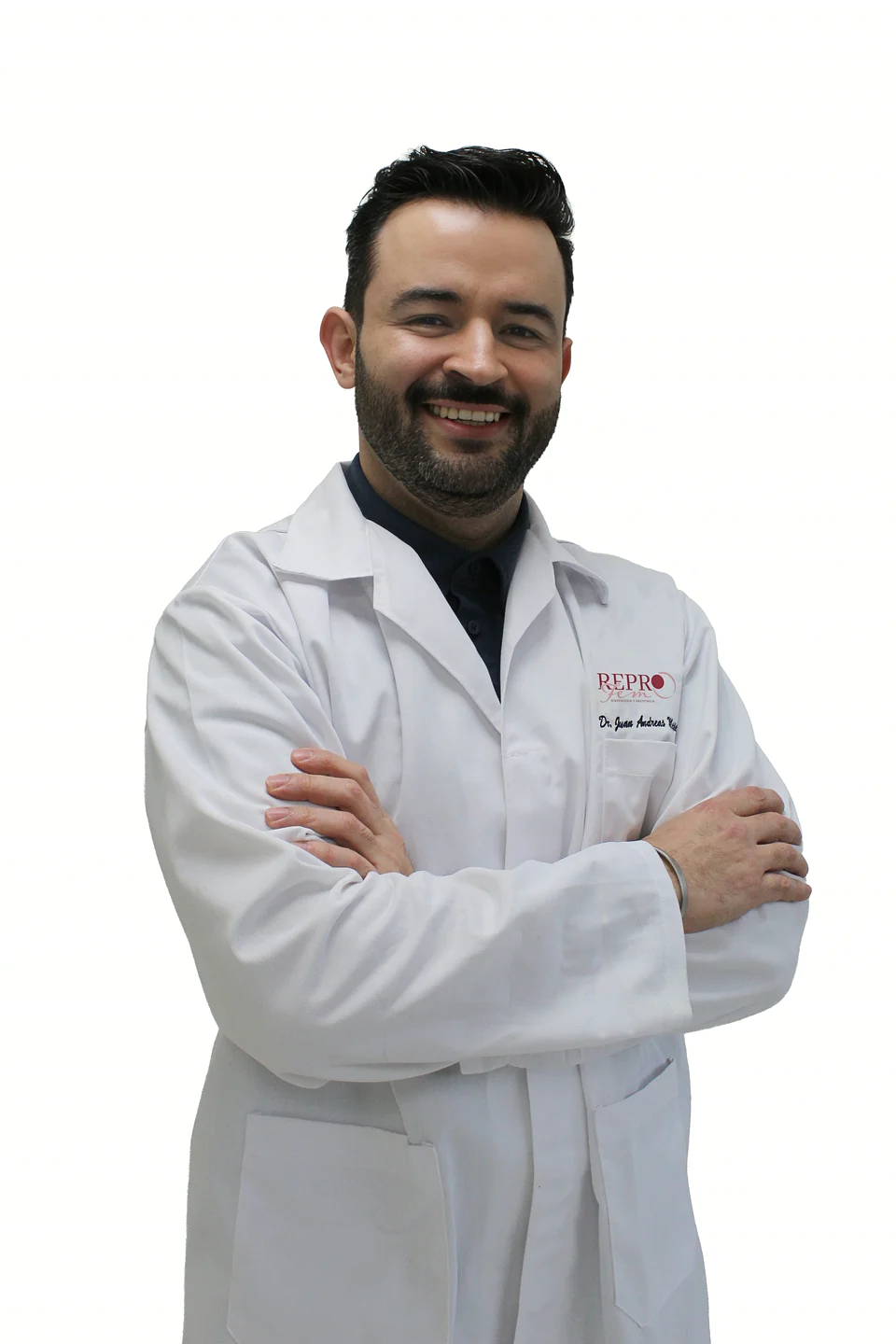
HUMAN REPRODUCTION BIOLOGY
Gynecology and obstetrics · Professional license 13955894 · Human Reproduction Biology, UNAM · Professional license 15938752
THE VALUE BEHIND THE SCENES
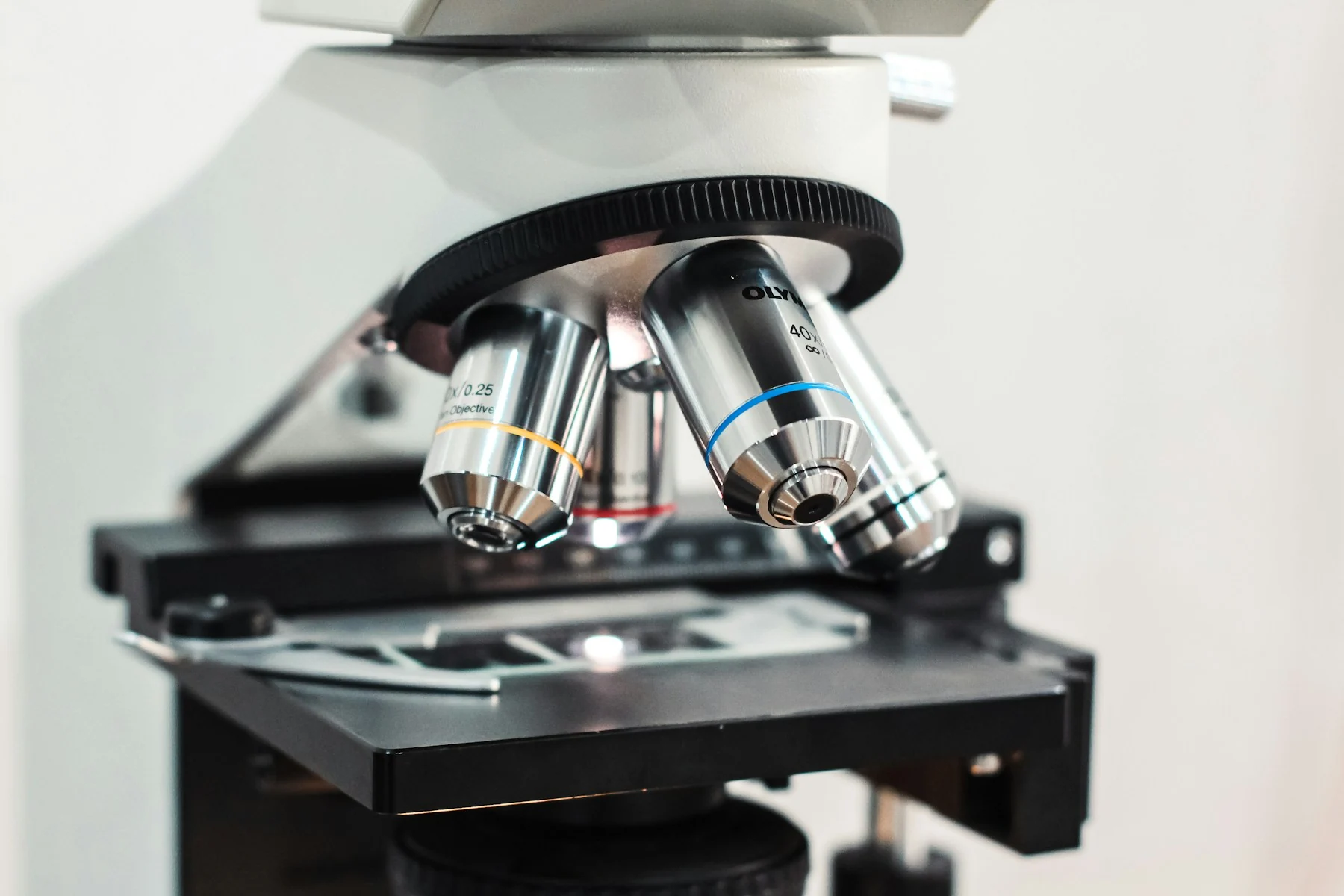
Doctors, embryologists, andrologists and nurses come together to review each case. REPROFEM’s laboratory has 24/7 monitoring systems.
Explore the space and ask what happens at each stage and who participates. Clinical care and embryology are part of one process.
Meet our team ↗A CONVERSATION WITH CLEAR NUMBERS
This is a question guide, not a REPROFEM package or price list. Confirm the applicable items with the team.
YOUR PLAN.YOUR CONSULTATION GUIDE
The total is determined by the individual plan. Request an itemized breakdown and ask your questions before moving forward.
QUESTIONS HELP YOU MOVE FORWARD
The quote depends on your individual plan. Request an assessment and ask about included items, extras and validity. Consultation and treatment are separate stages.
No. An assessment allows you to discuss suitable alternatives based on clinical information. Understand your options before deciding.
Timing varies with the plan and its progress. The team can explain the appointments and stages to consider; there is no universal schedule.
Your questions and any existing studies or reports. Check with the team whether you need to prepare specific information before attending.
Ask about the benefits, risks and alternatives of the proposed plan during consultation. Each procedure needs an individual explanation before decisions are made.
The team reviews progress and discusses next steps with you. Follow-up and subsequent decisions depend on your clinical situation.
“Leading science, shared decisions, and a team that walks with you step by step.”

FERTILITY CENTER · ANZURES
Please confirm opening hours and availability with our team.
Directions ↗